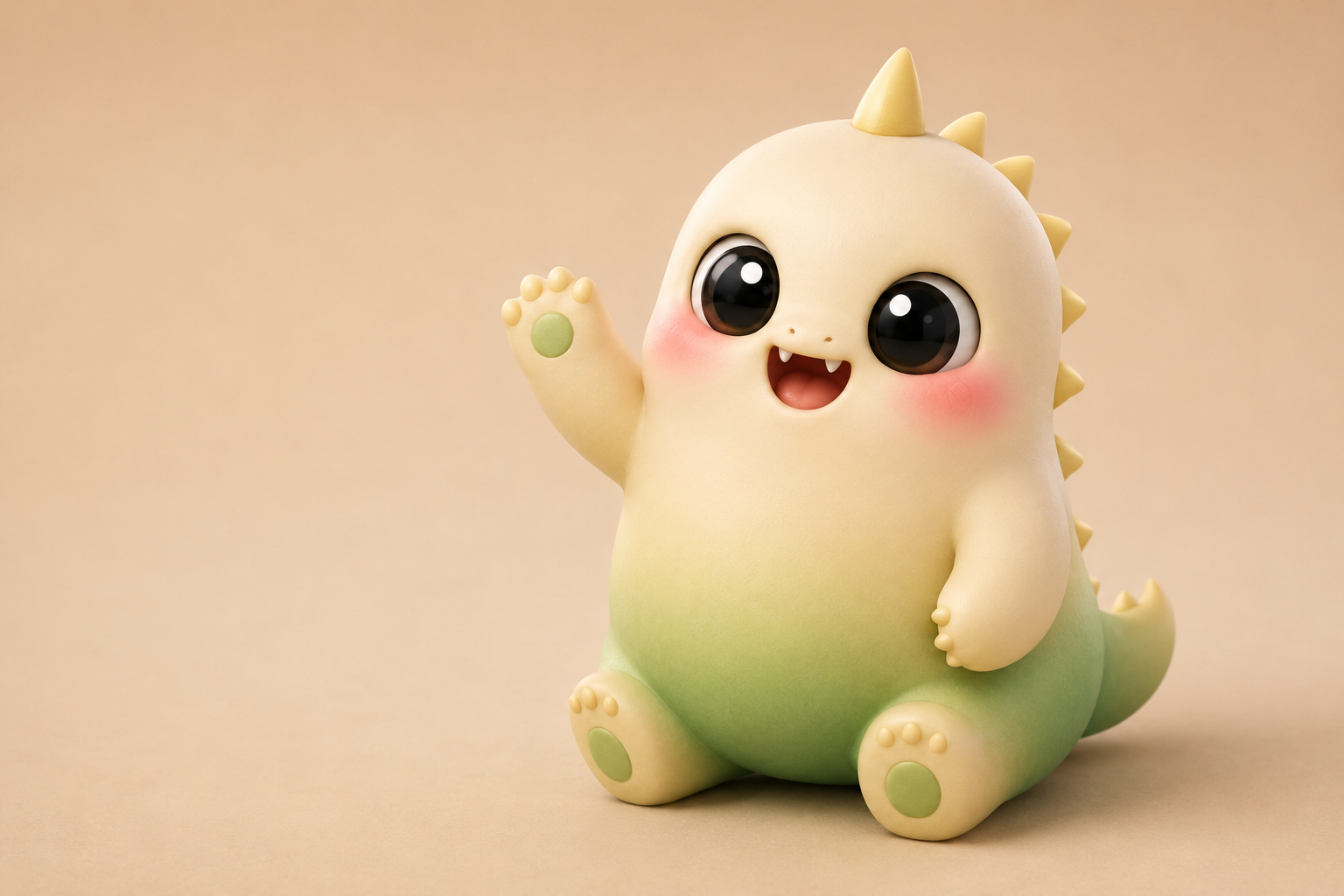
Meet Carl. Carl loves ramen. Unfortunately, the creatures of the future have absolutely no idea what ramen is.
After generations of instant food and suspiciously glowing jelly, real cooking has become a forgotten art. The bustling Neon City may be packed with strange creatures but nobody remembers the joy of a proper bowl of ramen.
Help Carl cook, serve, and noodle his way through a chaotic futuristic city filled with hungry customers, strange ingredients, and increasingly ridiculous kitchen disasters.
Upgrade your kitchen, unlock new recipes, and remind the world why ramen is the greatest invention of all time.
This is a cosy game about rebuilding a city’s forgotten food culture and cooking up your own corner of the world.
Game Concept.
At its core the game combines the relaxing gameplay of Stardew Valley meets Overcooked’s game mechanics. Set within a richly imagined Cyberpunk universe, it blends a cutesy kawai aestetic with a slightly dystopian backdrop.
You step into the shoes of a talented chef and owner of a humble ramen stand, situated in a bustling yet decaying district of a dystopian metropolis. Your primary objective is to revitalise your neighbourhood, which has suffered from neglect and despair.
The gameplay mechanics are crafted to ensure an engaging experience that balances the thrill of time management with the satisfaction of building and customising one’s own world. Each decision will impact the story, allowing players to feel a genuine sense of ownership over their environment through engaging gameplay..
Each level unlocks new opportunities. With every bowl you serve, you’ll unlock new sections of the neighbourhood, drawing in more clients and gaining access to resources that allow you to enhance and customise your stand.
The game celebrates the cultural significance of ramen by encouraging players to experiment with unique ingredients and flavour combinations. You’ll learn about the origins of various ramen styles, emphasising the creativity and craftsmanship behind this beloved dish. Ultimately, your journey is not just about serving ramen; it’s about creating your own world and celebrating the rich culinary traditions.

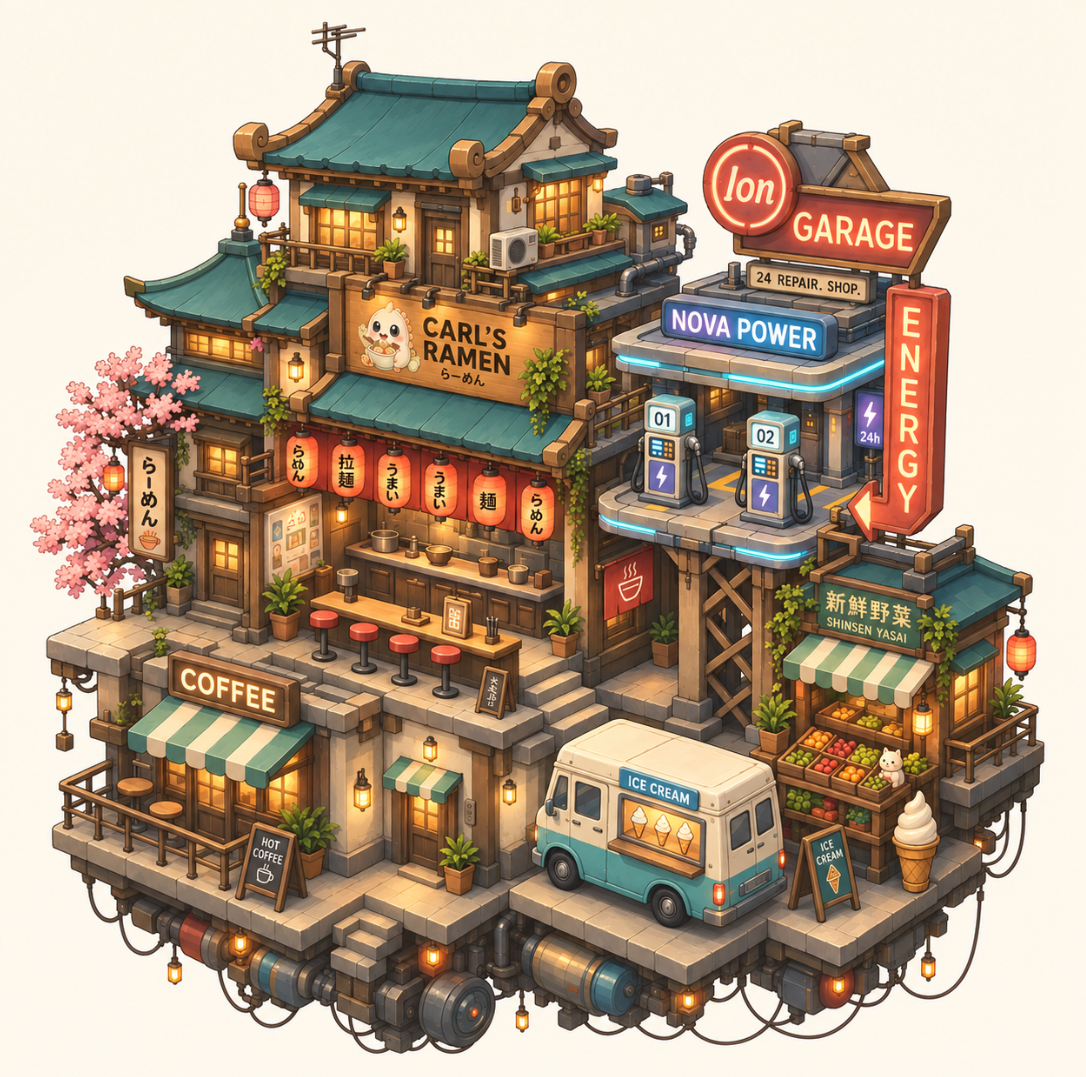
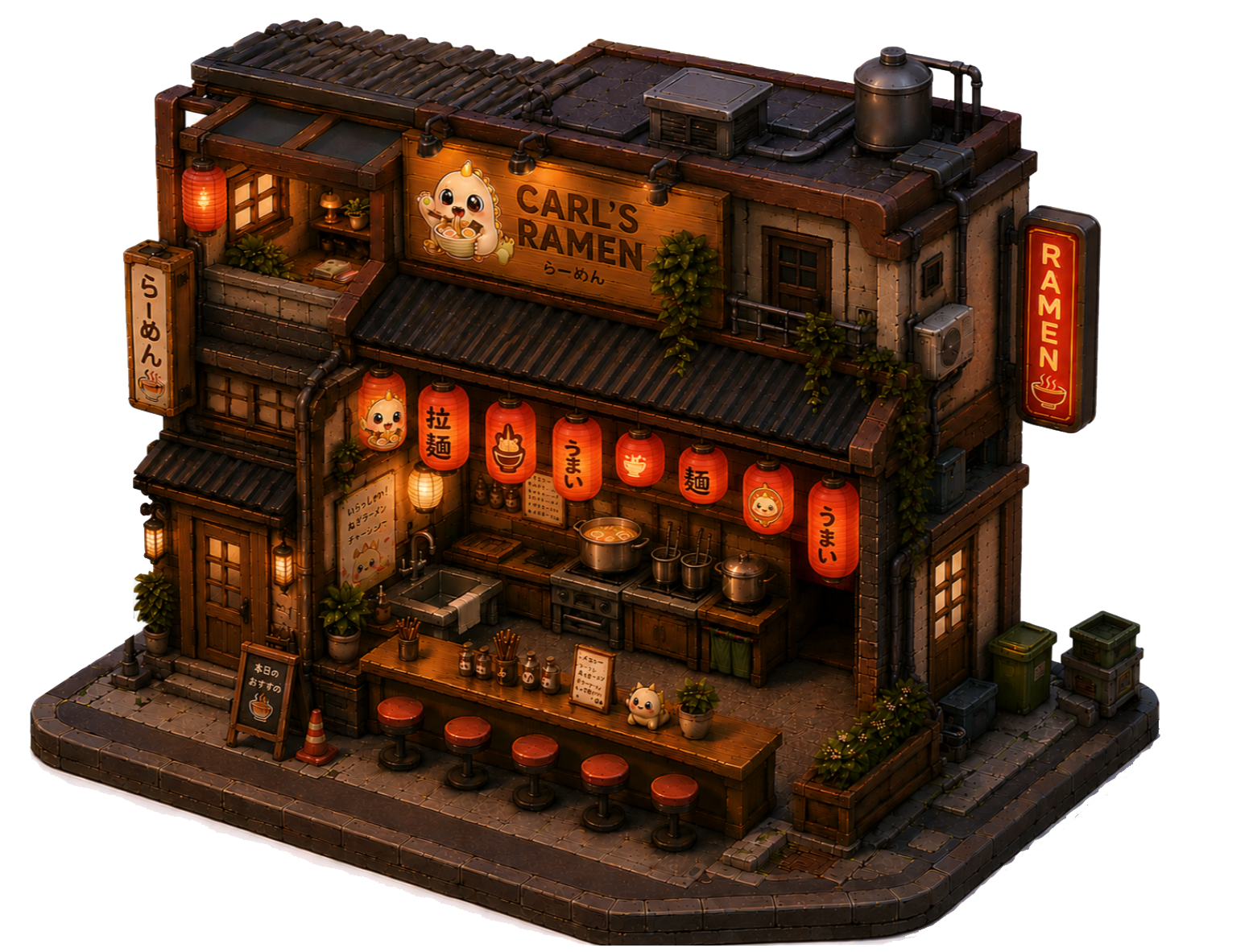
The game aims to create a charming diorama-like neighbourhood that features not only the player’s own ramen stand but also an array of shops and amenities.
As players progress through the game, the map will ‘unlock’ new shops with each level completed, transforming the area into a lively hub filled with activity. Each new establishment will offer exciting opportunities for customisation.
3D Art Style
The game will combine simplified and easily readable shapes with a beautiful hand painted textures. Lighting will play a crucial role in establishing the mood, creating a foggy ambiance that evokes a sense of mystery and intrigue. Bright neon colours will punctuate the environment, enhancing the futuristic vibe and providing visual contrast against the darker, more subdued elements of the scene.
Food Element Style
All food-related elements will adhere to the same vibrant and colourful style, ensuring throughout the game. This approach will not only celebrate the culinary aspects of the game but also contribute to the overall aesthetic, creating an inviting and appetising environment that captivates players.
Art Direction.
AI Workflows.
A combination of handdrawn sketches and AI workflows has been used to illustrate the game and communicate the desired Art Direction.
Early concepts began as loose sketches focused on silhouette, composition, and gameplay readability before being developed further through iterative AI workflows such as inpainting, image-to-image generation, and style transfer. Inpainting became particularly valuable for refining specific areas of an image without losing the overall composition.
Through this approach I could explore alternate character features, adjust lighting, or introduce new environmental elements whilst preserving the original intent of the artwork. Using a node-based workflow in ComfyUI allowed for a more art-directable process in the early stages, where different models, prompts, control networks, and render passes could be layered together in a non-destructive way. This approach was extremely useful to reach the initial language before using more comprehensive AI models to upscale and improve quality of the early stage generations.


Gameplay Art.
Kitchen Design
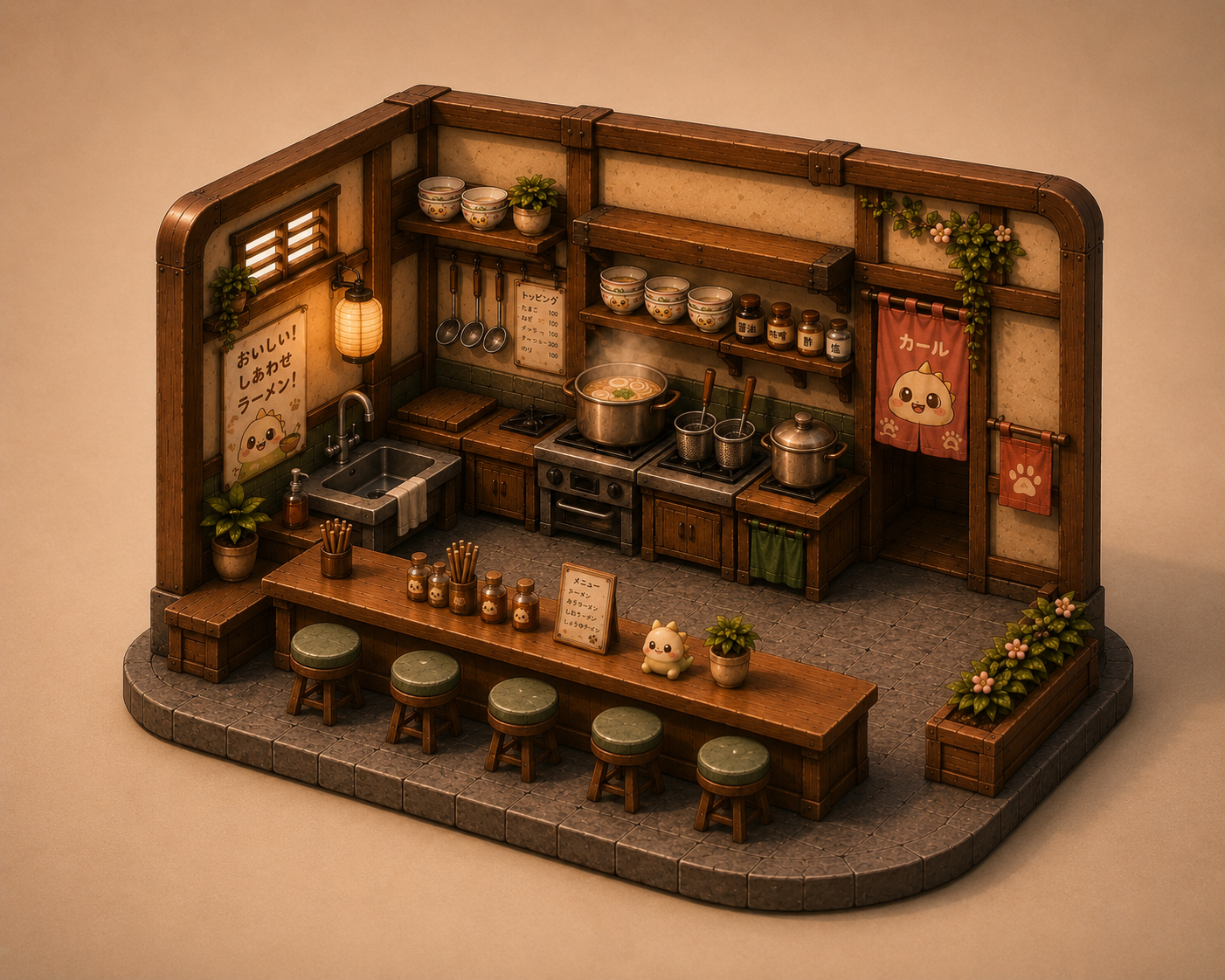
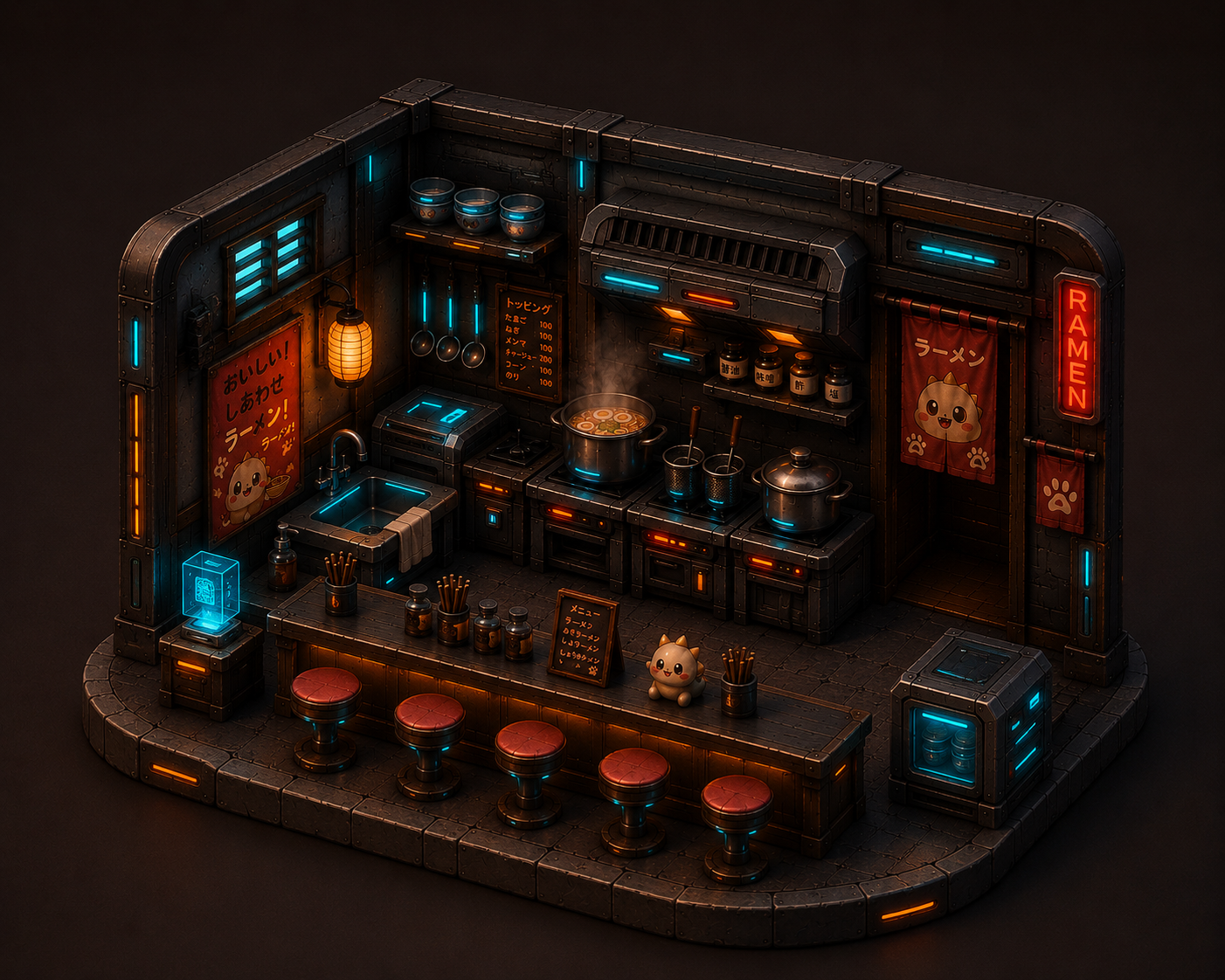
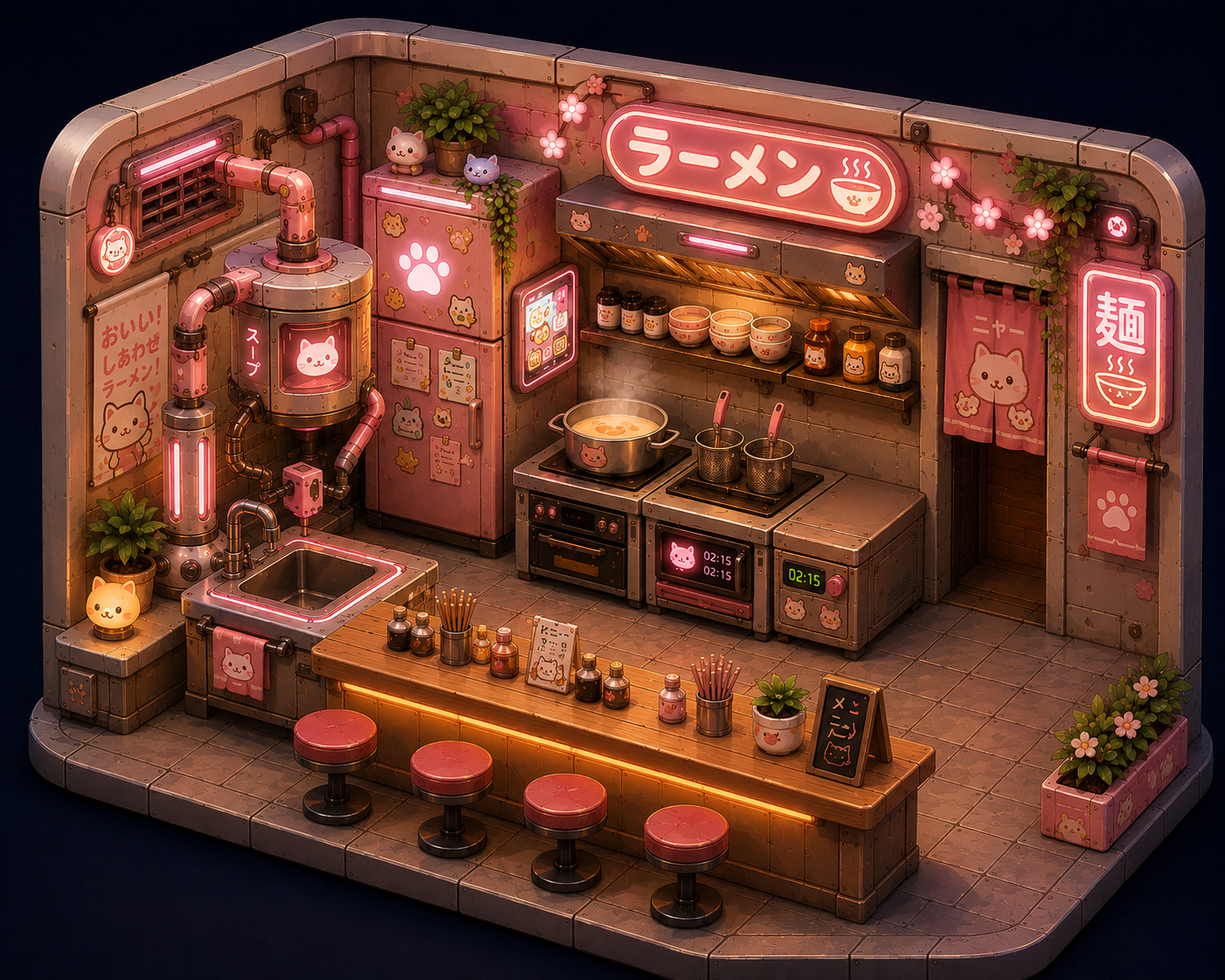
As the primary playable area, the kitchen is designed to be easily readable and fully equipped to accommodate all gameplay requirements. However, the bigger challenge lies in making it feel unique and reflective of the overall tone of the game. Traditional ramen shops are known for their bustling, cluttered environments, so it's essential to maintain authenticity while incorporating a twist of sci-fi elements.
The vision is to create an ‘old’ Japanese kitchen that feels lively and chaotic, enhanced by a variety of mismatched props and random trinkets to evoke a rich atmosphere. The incorporation of metal accents and quirkily shaped appliances will further emphasise the fusion of traditional and futuristic aesthetics.
For example, drawing inspiration from The Fifth Element, the refrigerator could be designed to resemble a slot machine, with different produce spinning inside as players select their ingredients. This playful design choice adds an element of whimsy while aligning with the game’s vibrant and eclectic atmosphere.


Character Art.
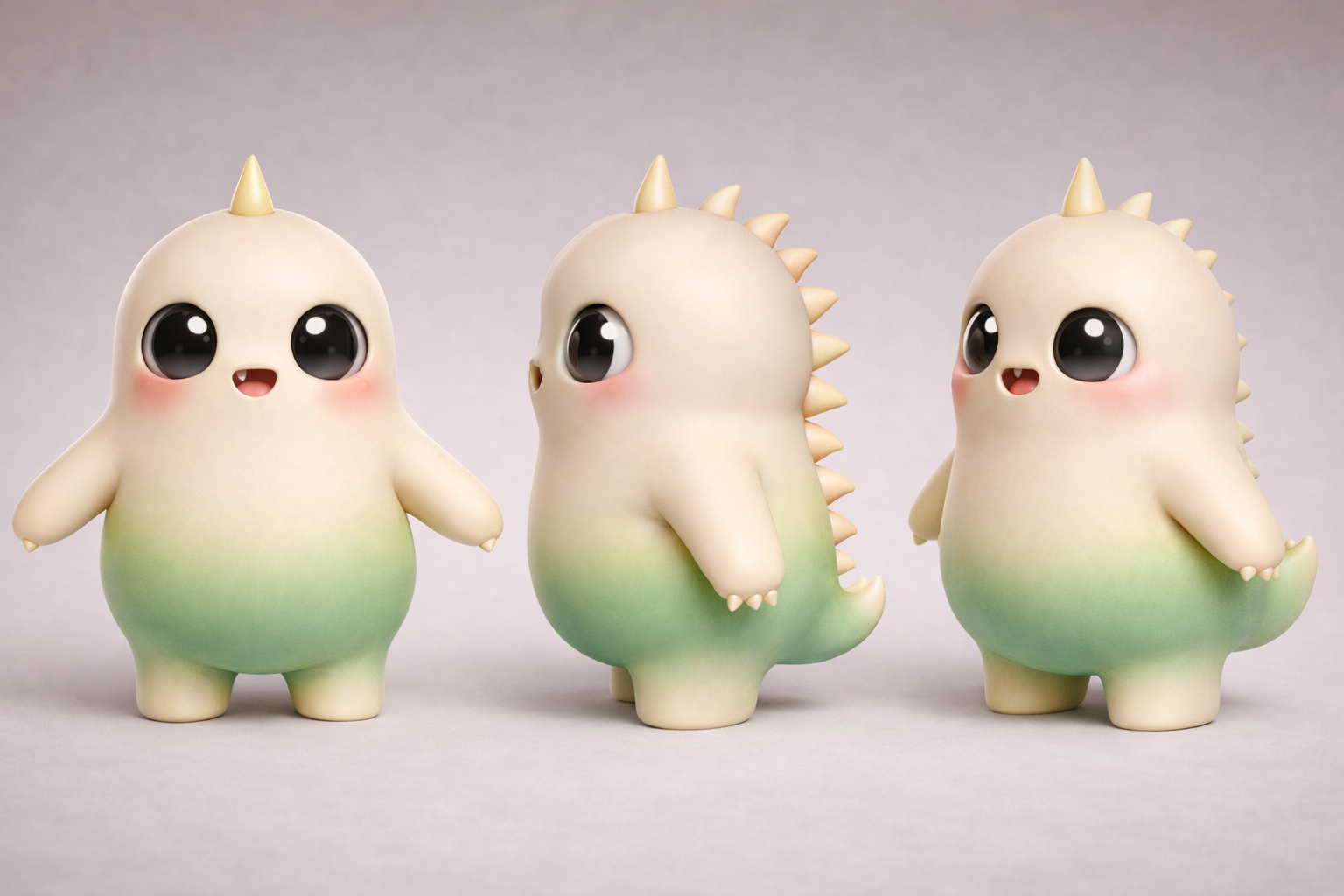
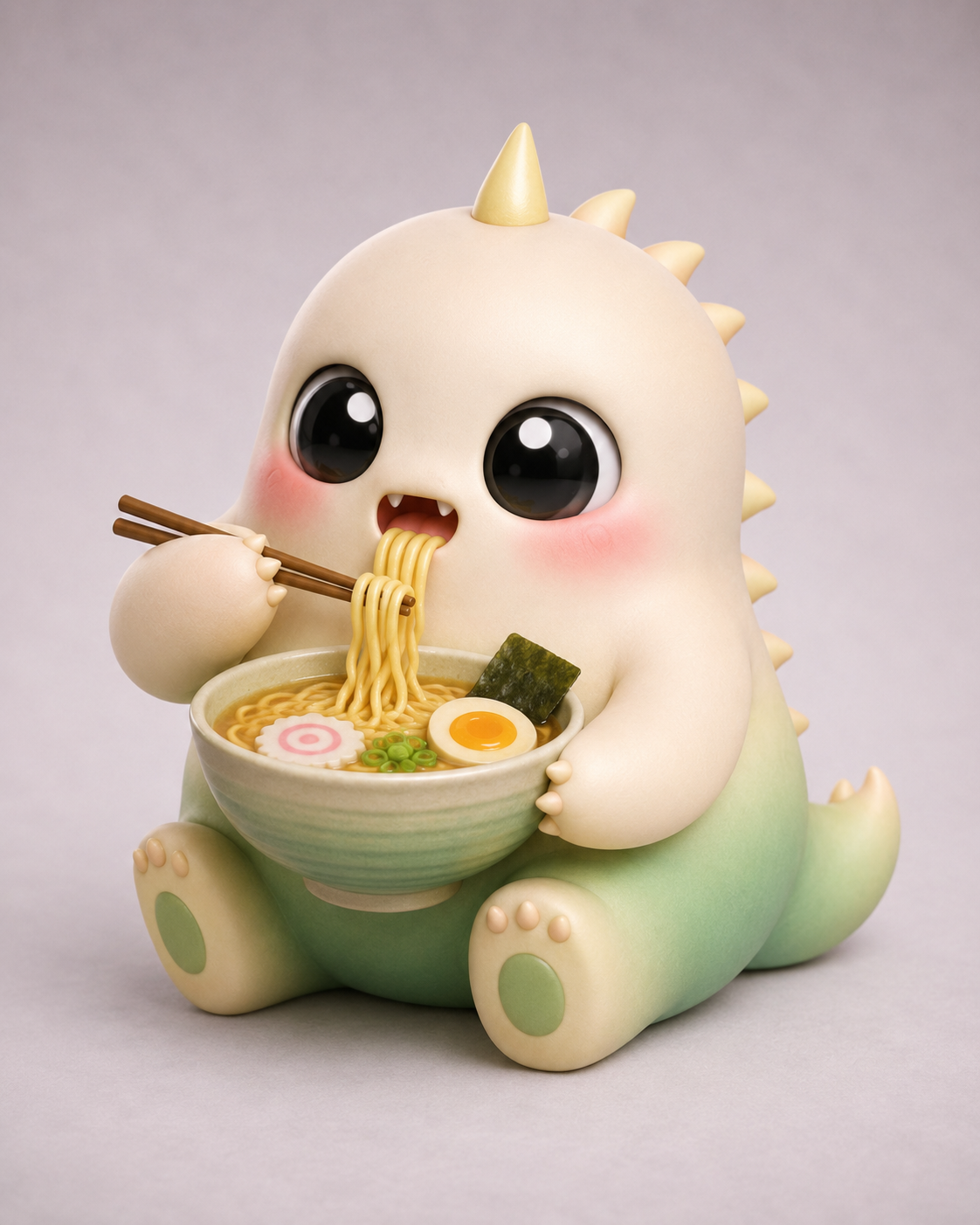
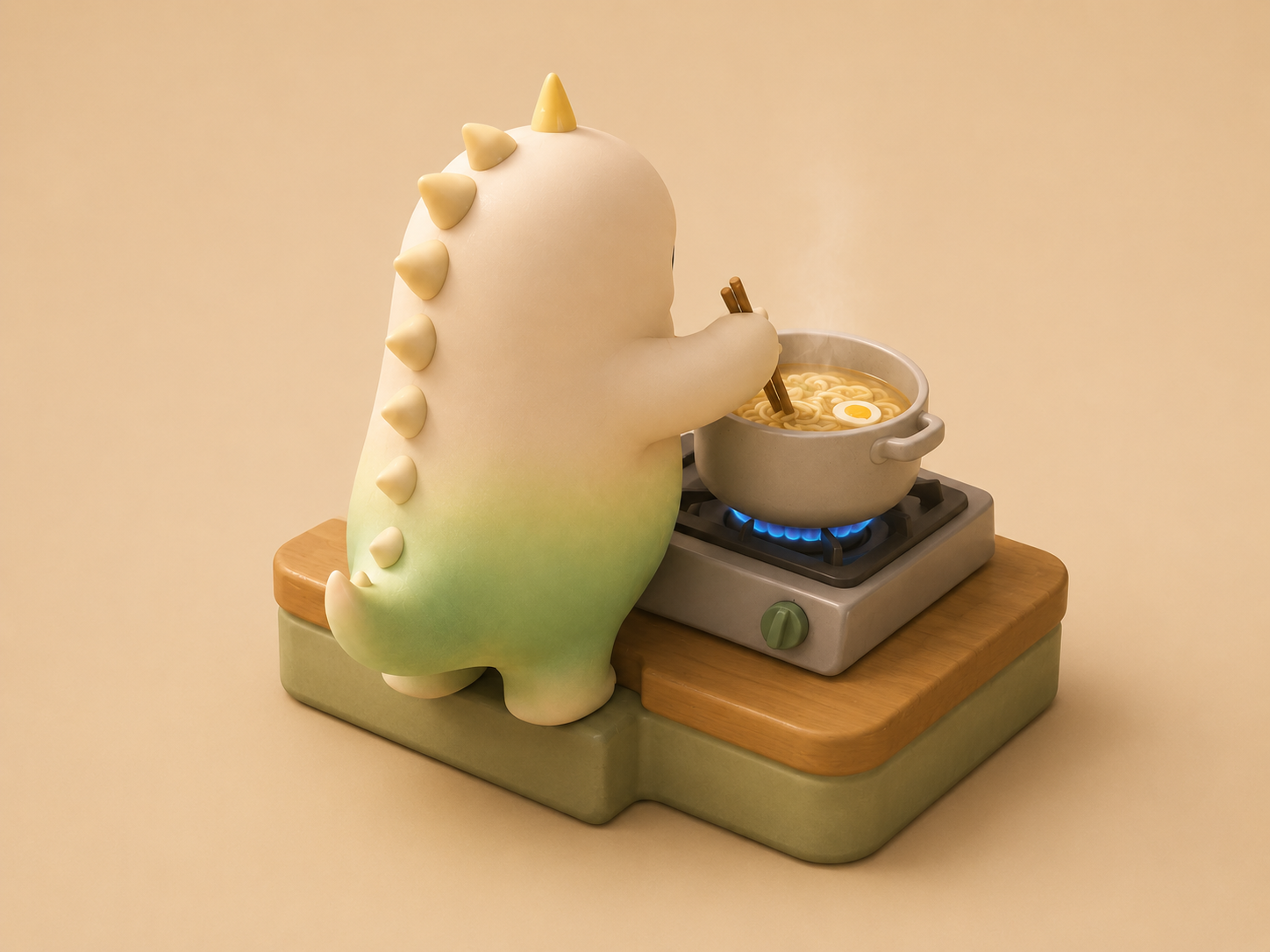
The game features a diverse cast of characters, each contributing their own quirkiness and fun to the overall experience. Below are early sketches that explore a range of concepts, including robots, food monsters, animals, and various human characters, each with distinct personalities that could be incorporated with specific characteristics or perks in gameplay.
While visual appeal is a priority, careful consideration has also been given to ensuring that each character is easily readable within the gameplay context. This readability is crucial for player engagement and interaction. Additionally, potential technical challenges have been taken into account during the design process. For instance, although the idea of an octopus chef is whimsical and entertaining, the complexities involved in rigging and animating multiple tentacles would present significant challenges compared to designing a simplified robot character.
The goal is to create memorable characters that not only stand out visually but also contribute to the gameplay mechanics in a way that is both practical and enjoyable for players.